ETO Sterilizer For Ophthalmic Use Trade Information
5 Unit Per Month
30-45 Days
Africa, Asia, North America, South America, Australia, Central America, Western Europe, Eastern Europe, Middle East
All India
Product Description
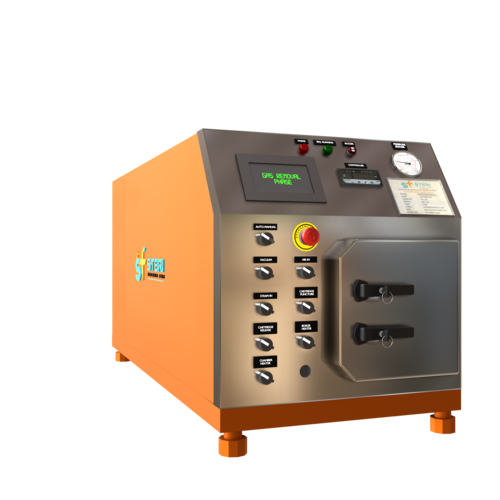
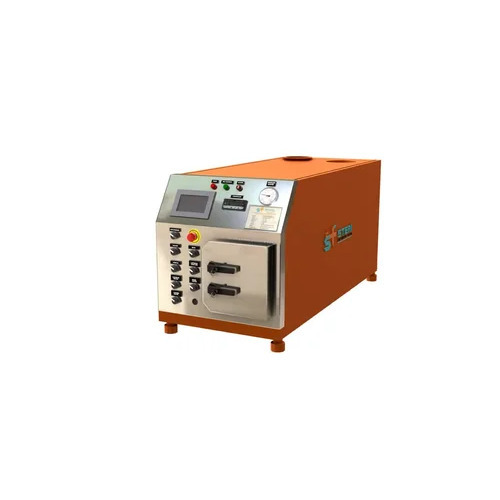
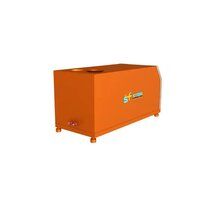
Offered ETO Sterilizer For Ophthalmic Use is equipped with automatic and non automatic controlling modes. This medical equipment is utilized for disinfecting optical instruments, medical accessories and so on. Micro computer controlled mechanism of this ETO is easy to comprehend. Moreover, it can print necessary sterilization information during its operation. It consists of sterilization filter and humidity sensor. Easy to maintain, this medical system can be installed quickly. Cost effectiveness and reliable operation are some of its key characteristics. Low operating cost is one of its main attributes.
Features of ETO Sterilizer For Ophthalmic Use:
1. Stainless steel 316 grade material is utilized in the manufacturing of the chamber.
2. Operation of machine is possible with any of the triple modes, like with EO cylinder, with 100 % EO Cartridge or with different mixtures of EO with CO2.
3. Stainless Steel Trolley with the machine makes the loading and unloading of material to be sterile work easier.
4. The cycle runs in automated mode with a pre-requisite sequence phases.
5. Proper condition for sterilization (such as temperature and humidity) are created with pre-sterilization phases.
6. The residual gas from the material (aeration) is removed by post-sterilization phases.
7. It comes with five user defined cycles, including Cold & Warm cycles.
8. Safety is ensured with Inter locks at different stages. It also ensures maintenance of proper parameters during the sterilization cycle.
9. Completely automatic with touch screen HMI and data recording, PLC based automatic as well as semi-automatic models can be availed.
10. Password protected, so that no unauthorized users can access it.
11. Data Records are available in graph format and non editable data sheet.
12. Low operating cost in comparison to other available options.
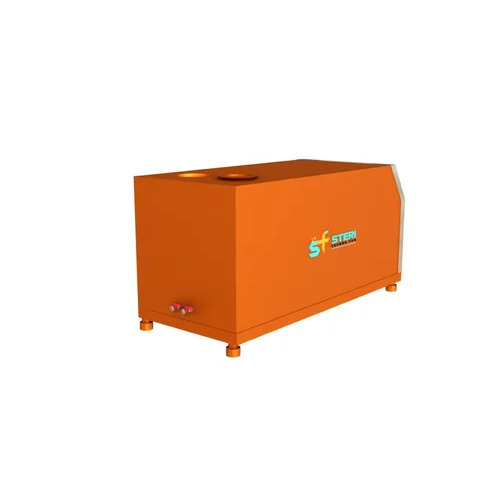
13. Table top and entirely box cover models.
14. Maintenance free machine.
ETO Sterilizer For Ophthalmic Use Specifications:
1. Type of Sterilizer: Steam Sterilizer, Ethylene Oxide Sterilizer
1. Is the ETO sterilization process safe for ophthalmic instruments?
Ans: Yes, the ETO sterilization process is considered safe for ophthalmic instruments as it effectively kills microorganisms while preserving the integrity of delicate instruments.
2. Why is sterilization important in ophthalmic procedures?
Ans: Sterilization is crucial in ophthalmic procedures to prevent the risk of infections, ensuring a safe and hygienic environment for patients and minimizing the potential for complications.
3. Are there any risks associated with ETO sterilization for ophthalmic use?
Ans: While generally safe, there are potential risks associated with ETO sterilization for ophthalmic use, such as residual ETO traces, which can be minimized through proper aeration and following recommended guidelines.
Advanced Control and Safety
A microprocessor-based PLC/HMI system ensures precise control and tracking over the entire sterilization process. With integrated safety features such as door interlocks and emergency stop functions, both personnel and equipment are protected at all times. The automatic leak test facility further guarantees process integrity and user safety.
Optimized for Ophthalmic Instruments
This sterilizer is specifically engineered for delicate ophthalmic instruments, maintaining a controlled temperature range of 45-55C and adjustable sterilization times from one to five hours. Its chamber material, SUS316/304 stainless steel, provides both durability and effective sterilization for sensitive devices.
Comprehensive Data Recording and Connectivity
All vital sterilization parameters, including temperature, humidity, and pressure, are digitally recorded. Cycle data storage is offered via USB or printout for compliance and traceability. The user-friendly touchscreen or digital interface makes managing sterilization cycles both accurate and efficient.
FAQs of ETO Sterilizer For Ophthalmic Use:
Q: How does the ETO Sterilizer ensure safe and effective sterilization of ophthalmic instruments?
A: The sterilizer uses Ethylene Oxide (ETO) gas, which effectively eliminates microorganisms at low temperatures (45-55C), preserving the integrity of sensitive ophthalmic instruments. Safety is enhanced by features like stainless steel construction (SUS316/304), door interlocks, emergency stops, and automatic leak testing.
Q: What are the main benefits of using a microprocessor-based PLC/HMI control system in this sterilizer?
A: The PLC/HMI control system delivers precise management over all sterilization parameters, ensuring repeatable and validated results. The digital/touchscreen interface allows users to set, monitor, and record crucial data, streamlining operations and improving reliability.
Q: When should a leak test be performed on the ETO Sterilizer?
A: An automatic leak test is integrated into the sterilization cycle and is performed before each operation to verify the chambers integrity, ensuring no ETO gas escapes during the process.
Q: Where can this sterilizer be installed and what installation options are available?
A: This model is designed for floor mounting in clinics, surgical centers, or hospital sterilization units. It offers flexible installation with options for single or double doors (sliding or hinged) to suit various layouts and workflows.
Q: What is the process flow for sterilizing ophthalmic instruments in this ETO Sterilizer?
A: Instruments are placed on the provided trolleys and loaded into the front-loading chamber. After sealing the door, the automated cycle begins: pre-conditioning, ETO gas injection, exposure, aeration, and exhaustwith process parameters managed and recorded throughout by the PLC/HMI system.
Q: How does the sterilizer manage exhaust and prevent ETO emissions?
A: The exhaust system is equipped with a catalytic converter or absorption filter to neutralize or absorb ETO gas, minimizing environmental impact and enhancing workplace safety.
Q: What makes this model particularly suitable for ophthalmic applications?
A: Its adjustable cycles, gentle sterilization temperatures, robust stainless steel chamber, and precise parameter controls are tailored to protect and effectively sterilize the delicate and sensitive instruments used in ophthalmic procedures.
Tell us about your requirement
Price:
Quantity
Select Unit
50
100
200
250
500
1000+
Additional detail
Mobile number
Email
Name
Comapny Name
Phone Number
Email Id
City / State
Confirm Your Requirement
Verification Code
Did not receive yet?
Resend OTP
You’re Done!
We have received your requirements and will reply shortly with the best price.









 Send Inquiry


 Send Inquiry
 Send SMS
 Call Me Free


